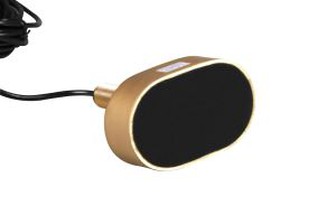

Benefits of using Doppler Speed Log
The Unmatched Advantages of Doppler Speed Logs in Modern Marine Navigation
Doppler Speed Log, this advanced instrument uses the Doppler effect to measure a vessel's speed relative to the water or seabed, offering unparalleled accuracy and functionality. Let's explore why this technology is indispensable for modern seafaring.
1. Unrivaled Accuracy in Speed Measurement
Traditional speed measurement tools, such as pitot tubes or impeller sensors, are prone to errors caused by water turbulence, biofouling, or debris. Doppler Speed Logs eliminate these issues by using acoustic waves to detect velocity. By analyzing frequency shifts in reflected signals from the seabed or water layers, DSLs calculate speed with sub-centimeter precision. This accuracy is vital for applications like dynamic positioning (DP), underwater surveying, or docking maneuvers, where even minor discrepancies can lead to costly accidents.
2. Real-Time Data for Enhanced Decision-Making
Modern Doppler Speed Logs provide instantaneous speed updates, enabling crews to make informed decisions in dynamic environments. For instance, in congested waterways or during adverse weather, real-time speed data helps optimize route adjustments, fuel consumption, and collision avoidance. DSLs also integrate seamlessly with ECDIS (Electronic Chart Display and Information Systems) and autopilot systems, creating a cohesive navigation network that operates with split-second responsiveness.
3. Immunity to Environmental Interference
Doppler Speed Logs excel in challenging conditions where traditional sensors falter. Their non-mechanical design resists damage from floating debris, ice, or sediment. Additionally, advanced algorithms filter out "noise" from bubbles, temperature gradients, or salinity changes, ensuring reliable performance in murky waters or extreme depths. This robustness makes DSLs ideal for polar expeditions, offshore drilling, or military operations.
4. Fuel Efficiency and Emissions Reduction
Accurate speed data directly impacts fuel optimization. By providing real-time feedback on propulsion efficiency, DSLs help crews adjust engine output to maintain optimal speed, reducing unnecessary fuel burn. For large vessels, even a 5% improvement in fuel efficiency translates to massive cost savings and lower carbon footprints-a win for both economics and environmental compliance.
5. Low Maintenance and Long-Term Reliability
Unlike mechanical sensors requiring frequent calibration or cleaning, Doppler Speed Logs are designed for longevity. With no moving parts and minimal exposure to corrosive elements, DSLs demand little maintenance. Many models feature self-diagnostic tools to alert users to potential issues, further reducing downtime.
In an era where maritime safety and sustainability are paramount, Doppler Speed Logs offer a blend of precision, adaptability, and resilience that traditional tools cannot match. By investing in DSL technology, ship operators not only enhance navigational safety but also future-proof their vessels against evolving industry demands. As autonomous shipping and green logistics reshape the seas, the Doppler Speed Log will remain a critical ally in mastering the challenges of the deep.