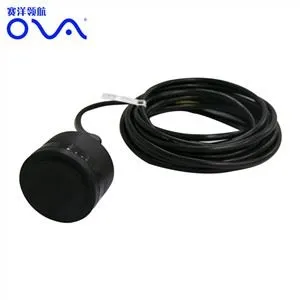

Updated Maritime Standards for Doppler Speed Log
2024-2025 Updated Maritime Standards for Doppler Speed Log
Underwater Exploration: Research vessels, ROVs (Remotely Operated Vehicles), and AUVs (Autonomous Underwater Vehicles) use DSL to achieve precise speed control for seabed mapping, marine biological research, and underwater resource exploration.
Underwater Exploration: Research vessels, ROVs (Remotely Operated Vehicles), and AUVs (Autonomous Underwater Vehicles) use DSL to achieve precise speed control for seabed mapping, marine biological research, and underwater resource exploration.
Commercial Shipping: For large container ships, bulk carriers, and cruise ships, DSL provides real-time speed data to optimize navigation routes, reduce fuel consumption, and ensure on-time arrival. It also supports autopilot systems to enhance maneuvering safety.
Offshore Operations: Offshore platforms, supply ships, and drill ships rely on DSL for precise speed and position control, especially during dynamic positioning operations. It helps maintain stability under wind, wave, and current interference.
Underwater Exploration: Research vessels, ROVs (Remotely Operated Vehicles), and AUVs (Autonomous Underwater Vehicles) use DSL to achieve precise speed control for seabed mapping, marine biological research, and underwater resource exploration.
Special Maritime Tasks: Coast guard ships, search and rescue vessels, and military ships use DSL to support high-precision navigation, target tracking, and emergency response operations.
Special Maritime Tasks: Coast guard ships, search and rescue vessels, and military ships use DSL to support high-precision navigation, target tracking, and emergency response operations.
With the continuous advancement of maritime technology and the increasing emphasis on navigation safety and standardization, maritime authorities worldwide have updated industry standards for Doppler Speed Log in 2024-2025. For shipping companies and equipment manufacturers, mastering these updated standards is crucial to ensuring compliance, avoiding operational risks, and maintaining market competitiveness.
Key Updates to International Maritime Standards
Enhanced Precision Requirements: The latest standards require Doppler Speed Log to achieve a speed measurement accuracy of ±0.02 knots or higher for commercial ships over 300 GT. This ensures more reliable data support for collision avoidance and route optimization.
Multi-Navigation System Compatibility: Newly installed DSL must be compatible with global navigation satellite systems (GNSS) such as Beidou, GPS, and GLONASS. This aligns with the trend of integrated maritime navigation and improves data redundancy and reliability.
Regional Standard Updates: China and Global Key Markets
In addition to international standards, major maritime regions have introduced supplementary requirements to adapt to local navigation needs:
Compliance Measures for Shipping Companies
To comply with the latest standards, shipping companies should take the following actions:
Enhanced Precision Requirements: The latest standards require Doppler Speed Log to achieve a speed measurement accuracy of ±0.02 knots or higher for commercial ships over 300 GT. This ensures more reliable data support for collision avoidance and route optimization.
Multi-Navigation System Compatibility: Newly installed DSL must be compatible with global navigation satellite systems (GNSS) such as Beidou, GPS, and GLONASS. This aligns with the trend of integrated maritime navigation and improves data redundancy and reliability.
Acoustic Signal Frequency Regulation: To avoid interference between marine equipment, the IMO has standardized the acoustic signal frequency range of DSL to 0.5-100kHz, consistent with the latest sonar technology development. Equipment that does not meet this requirement will be prohibited from use in international waters.
China Maritime Standards: The Ministry of Transport of China released 10 new transportation industry standards in November 2024, including the Technical Requirements for Beidou Differential Data Transmission and Reception in Inland Shipping. This standard mandates that Doppler Speed Log used in China's inland waterways must support Beidou differential navigation, achieving higher positioning and speed measurement precision in inland rivers and coastal areas. Meanwhile, the Guidelines for Inland Waterway Operation Monitoring (Trial) further clarifies the application requirements of DSL in inland waterway monitoring systems.
Guide Conclusion: Ensure compliance with global maritime standards with our certified DSL products. We offer Beidou-compatible solutions for all key markets. Contact us to upgrade your equipment hassle-free.
Guide Conclusion: Stay compliant with the latest maritime standards with our certified Doppler Speed Log products! We offer solutions that meet international and regional requirements, including Beidou compatibility. Contact us to learn how to upgrade your equipment and ensure regulatory compliance.
China Maritime Standards: The Ministry of Transport of China released 10 new transportation industry standards in November 2024, including the Technical Requirements for Beidou Differential Data Transmission and Reception in Inland Shipping. This standard mandates that Doppler Speed Log used in China's inland waterways must support Beidou differential navigation, achieving higher positioning and speed measurement precision in inland rivers and coastal areas. Meanwhile, the Guidelines for Inland Waterway Operation Monitoring (Trial) further clarifies the application requirements of DSL in inland waterway monitoring systems.
EU Standards: The European Maritime Safety Agency (EMSA) requires Doppler Speed Log installed on ships entering EU waters to obtain MED (Marine Equipment Directive) certification. The equipment must support data integration with the EU's SafeSeaNet platform for real-time monitoring and regulatory compliance.
US Standards: The US Coast Guard (USCG) updated its requirements for Doppler Speed Log, emphasizing the need for remote monitoring capabilities. Shipping companies must be able to monitor the operating status and data output of DSL in real time through shore-based platforms to ensure continuous and reliable operation.
China Maritime Standards: The Ministry of Transport of China released 10 new transportation industry standards in November 2024, including the Technical Requirements for Beidou Differential Data Transmission and Reception in Inland Shipping<superscript>2. This standard mandates that Doppler Speed Log used in China's inland waterways must support Beidou differential navigation, achieving higher positioning and speed measurement precision in inland rivers and coastal areas. Meanwhile, the Guidelines for Inland Waterway Operation Monitoring (Trial) further clarifies the application requirements of DSL in inland waterway monitoring systems.
EU Standards: The European Maritime Safety Agency (EMSA) requires Doppler Speed Log installed on ships entering EU waters to obtain MED (Marine Equipment Directive) certification. The equipment must support data integration with the EU's SafeSeaNet platform for real-time monitoring and regulatory compliance.
US Standards: The US Coast Guard (USCG) updated its requirements for Doppler Speed Log, emphasizing the need for remote monitoring capabilities. Shipping companies must be able to monitor the operating status and data output of DSL in real time through shore-based platforms to ensure continuous and reliable operation.