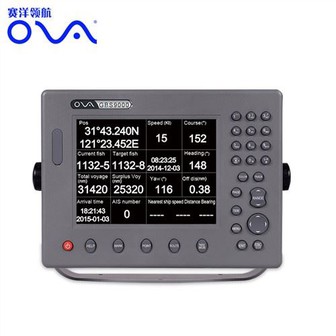

What is AIS and Why is it Important
What is AIS and Why is it Important?
AIS or Automatic Identification System is a tracking system that uses identification and positioning technologies to provide information about a vessel's location, course, and speed. It was initially designed to help maritime traffic management and monitoring from shore-based stations. However, modern AIS is being used by ships to exchange information with one another. It is now a critical tool in enhancing safety and improving the efficiency of global marine traffic.
AIS is a radio-frequency based system, which can detect nearby vessels with AIS-equipped VHF radios. As a result, it enables ships' officers to keep track of traffic. The technology provides crucial information to operators, including vessel identification, location, speed, course, and destination. This data is transmitted via satellites to AIS base stations, which are then available to other vessels and land-based authorities.
The importance of AIS in the management of global marine traffic is undeniable. The system is an essential tool in preventing collisions at sea, especially in areas with heavy traffic. The vast majority of sea traffic accidents are due to collisions, and AIS can help mitigate the risks. It allows the crew to see the approaching vessels early enough to inform their own vessel's operations and take swift action to avoid a collision.
AIS Class A:
mandated by the IMO for vessels of 300 gross tonnages and upwards engaged on international voyages, cargo ships of 500 gross tonnages and upwards, as well as passenger ships. It transmits typically on 12.5 watt output power.
AIS Class B:
provides limited functionality and is intended for non-SOLAS commercial vessels and recreational vessels. It transmits typically on 2 watt output power.