
Electromagnetic Log, Doppler Speed Log, and Satellite Speed Log
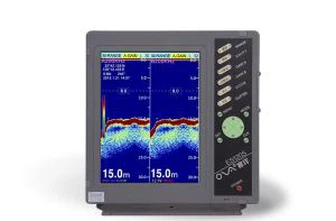
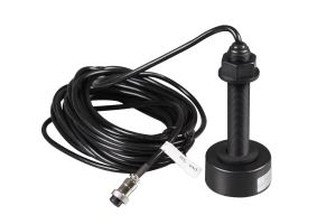
Electromagnetic Log, Doppler Speed Log, and Satellite Speed Log - Marine speed and distance measuring equipment (SDME)
Electromagnetic Log, Doppler Speed Log, and Satellite Speed Log are all types of speed logs used in marine navigation to determine the speed of a vessel. Each of these technologies functions differently, providing unique advantages and disadvantages for navigators.
The Electromagnetic Log operates by measuring the electromagnetic field disturbances created as the vessel moves through the water. This data is then used to calculate the speed of the vessel. The advantage of this technology is its accuracy and reliability, especially in areas where GPS signals may be unreliable. However, it can be prone to fouling and requires regular maintenance to ensure correct readings.
On the other hand, the Doppler Speed Log uses the Doppler effect to measure the speed of the vessel. By sending out an acoustic signal that reflects off the seabed and back to the sensor, the Doppler Speed Log can determine the speed of the vessel relative to the seabed. This technology is known for its ability to provide real-time speed updates and is not affected by fouling like electromagnetic logs. However, it may be less accurate at lower speeds and in shallow waters.
Lastly, the Satellite Speed Log utilizes GNSS technology to calculate the speed of the vessel by tracking its position through satellite signals. This allows for accurate and reliable speed readings, especially in open waters with clear visibility of the sky. However, satellite signals may be obstructed in certain areas, resulting in potential inaccuracies in speed measurements.
In conclusion, each type of speed log has its own strengths and weaknesses, and the choice of technology depends on the specific needs of the vessel and the navigational conditions. Navigators should consider factors such as accuracy, reliability, maintenance requirements, and environmental factors when selecting the appropriate speed log for their vessel. Ultimately, the goal is to ensure the safe and efficient navigation of the vessel through the use of reliable speed measurement technology.