
Sensors and Transducers
Sensors and transducers play a vital role in the efficient and safe operation of ships. They are the eyes and ears of a ship, providing critical data on its surroundings and performance. In this post, we will take a look at some of the most commonly used sensors and transducers in the marine industry and their functions.
Wind sensors are essential for sailors who rely on wind power to navigate their vessels. These devices measure wind direction and speed, and provide critical data for sailors to plan sailing routes, making necessary course corrections, and setting sails.
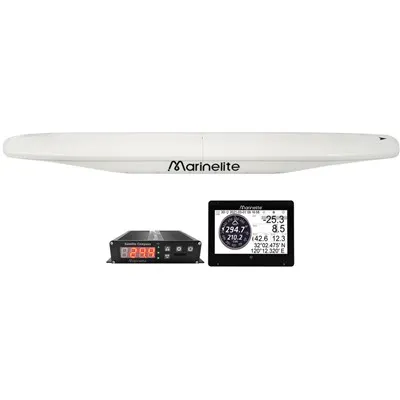
Heading sensors, also known as compasses, are used to determine the direction of a ship's movement. With the help of GPS technology, these sensors provide highly accurate readings, ensuring that ships maintain their intended course on long voyages.
Depth and speed transducers are used to measure water depth and vessel speed. Data from these sensors is used in navigation and to ensure the safety of the vessel in shallow waters. Accurately measuring a ship's speed is also important for determining voyage time and fuel consumption.
GPS sensors are perhaps the most important sensors on modern ships. They provide crucial information for navigation and positioning, allowing ships to plot their routes with precision, avoid hazards, and locate other vessels. GPS sensors can also be used to monitor ship speed and keep track of cargo.
In addition to these standard sensors and transducers, modern ships also use a range of specialized sensors, such as temperature and pressure sensors, to monitor the ship's systems and ensure that they are operating effectively and efficiently.
In conclusion, sensors and transducers are essential components of modern ships, providing critical data for navigation, safety, and efficiency. As technology advances, we can expect to see further developments in marine sensor technology, making the lives of sailors and ship operators easier and safer.